Reduce losses caused by crop contact
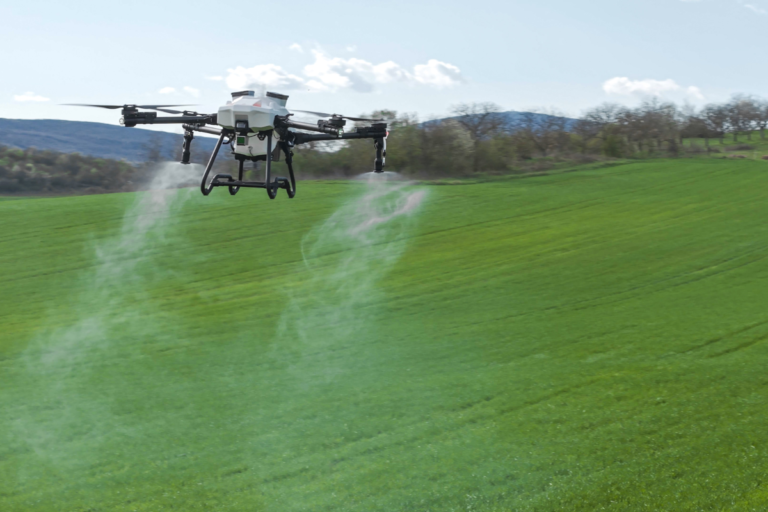
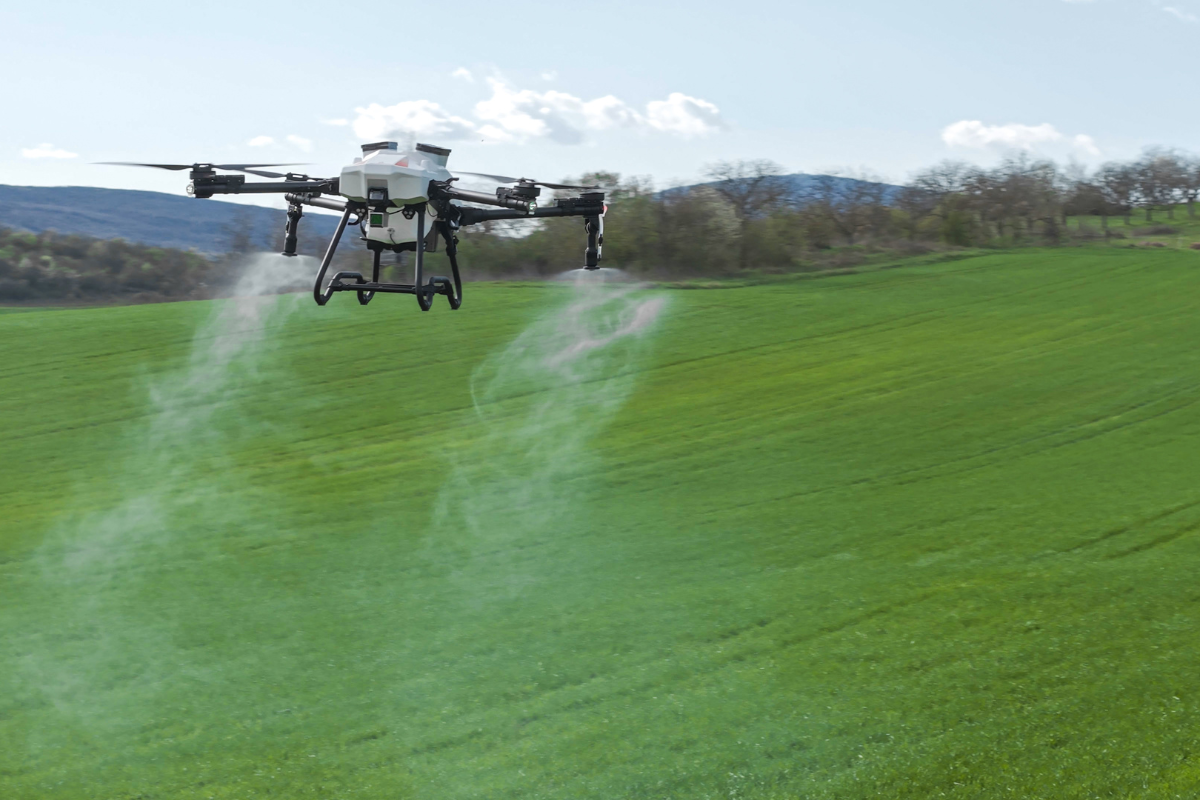
Traditional machinery must travel directly through the field, creating the possibility of trampling crops during every treatment. Repeated passes can increase this damage throughout a season, particularly when several applications are required. Aerial spraying avoids physical contact with plants because the aircraft operates above the crop. This helps preserve productive growing areas that would otherwise be affected by machinery traffic.
Apply water more efficiently
Conventional spraying can require large quantities of water, increasing transportation, preparation, and handling requirements. According to internal calculations and field experience, drone spraying can use substantially less water per hectare than traditional land-based equipment. Agro drones can operate with lower application volumes while delivering treatment directly from above. Reduced water demand can be especially valuable when supply, transportation, or field access creates logistical challenges.
Target only the areas that need treatment
Treating an entire field is not always necessary when a problem affects only specific areas. Precision application makes it possible to focus resources on locations where intervention is actually required instead of automatically applying products everywhere. This can help farms avoid unnecessary use of crop protection materials while responding more precisely to field conditions. The result is a more controlled approach to input management.
Understand where savings can occur
The financial impact of spraying involves much more than the purchase price of chemicals. Several operational factors can contribute to avoidable costs during a season:
- fuel consumption by ground machinery
- machine depreciation and maintenance
- crop losses caused by trampling
- unnecessary water transportation
- excessive treatment of unaffected areas
Evaluating these factors together provides a more realistic picture of spraying efficiency.
Reach fields at the right moment
A treatment that arrives too late can create losses even when the application itself is accurate. After rainfall, heavy ground machinery may be unable to enter waterlogged fields during an important crop protection window. Agro drones are not dependent on driving across the treated area, giving operators greater flexibility when ground access is restricted. Faster intervention can help prevent a manageable crop problem from becoming more difficult and expensive to address.
Focus on total operating costs
Comparing spraying technologies requires looking beyond a single application. Internal estimates indicate that drone spraying can reduce overall operational costs compared with traditional land machinery, although actual savings depend on farm size, crop, terrain, labor, weather, and regional conditions. Avoided crop contact, lower fuel requirements, and more efficient resource use can all influence the final calculation. Farms should therefore evaluate potential returns according to their own operating environment rather than relying on one universal figure.
Build efficiency into every treatment
Reducing spraying losses requires a combination of precise application, timely intervention, efficient resource use, and suitable equipment. ABZ Innovation develops agricultural technology that supports these goals while giving professional operators greater flexibility in the field. When spraying is planned around actual crop requirements, farms can use available resources more deliberately. This approach turns efficiency into a measurable part of crop protection rather than simply a technical feature.
About the Author